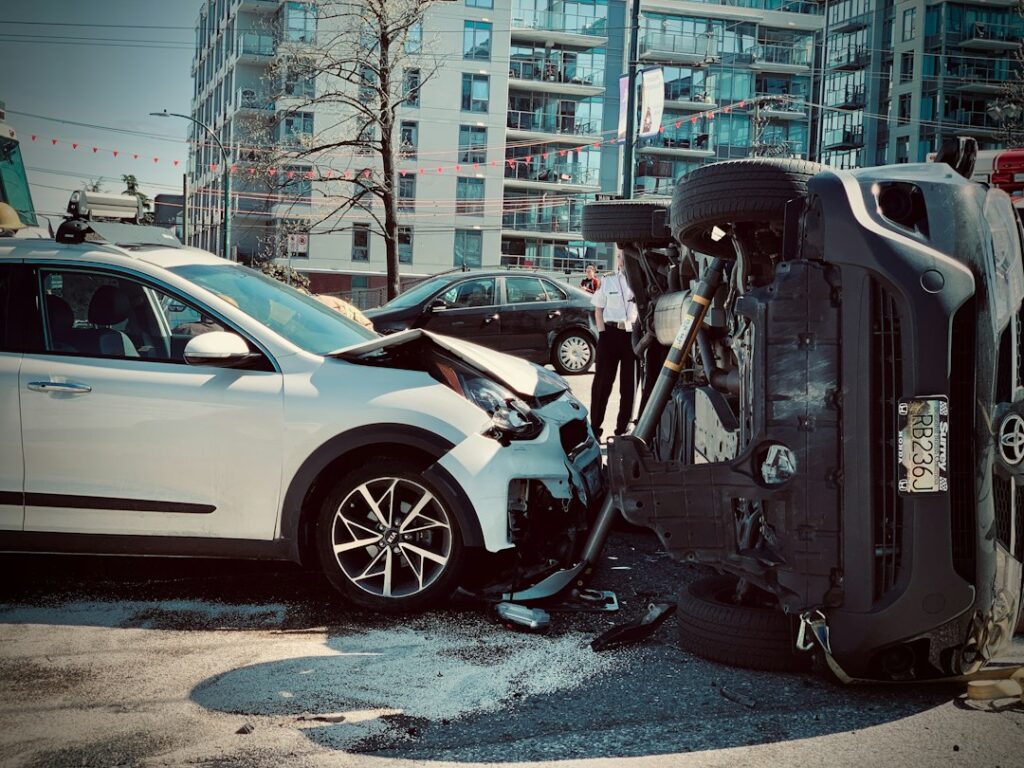
Is Tennessee a no-fault insurance state?
No. Tennessee uses a traditional at-fault, or tort-based, auto insurance system. The driver who caused the crash is generally responsible for the resulting injuries and property damage, up to the limits of that driver’s insurance policy.
For residents of Franklin, this means an accident claim usually depends on determining who was responsible. Fault may be based on traffic laws, vehicle positions, witness statements, photographs, video, police reports, and other available evidence.
In a no-fault state, an injured driver typically turns first to their own personal injury protection coverage, regardless of who caused the crash. Tennessee does not generally operate that way.
What does “no-fault insurance” mean?
No-fault insurance is a system designed to pay certain medical and injury-related expenses through a person’s own auto insurance after a crash. The payment usually applies regardless of who caused the accident.
The coverage associated with no-fault systems is commonly called personal injury protection, or PIP. Depending on the state, PIP may help pay for:
- Medical treatment
- Lost wages
- Replacement services, such as household assistance
- Funeral expenses
- Certain other injury-related costs
No-fault insurance does not usually mean that every loss is paid automatically or that fault is irrelevant in every situation. States establish different rules, coverage limits, deductibles, and restrictions on lawsuits.
Because Tennessee is not a no-fault state, drivers generally do not have a required PIP benefit that automatically pays their own injury expenses after every crash.
How are accident injuries handled in Tennessee?
In Tennessee, an injured person may seek compensation from the driver considered legally responsible for the accident. That claim may include reasonable medical expenses, lost income, pain and suffering, and other losses supported by the circumstances and available evidence.
The at-fault driver’s bodily injury liability coverage may pay the claim, subject to the policy’s limits. If the claim exceeds those limits, the injured person may have other legal options, although collecting additional compensation is not guaranteed.
The process can become complicated when more than one person contributed to the crash. Tennessee follows a comparative fault approach. In general terms, a person’s compensation may be reduced according to that person’s share of responsibility. The exact result depends on the facts, evidence, and applicable law.
What insurance coverage matters most in a non-no-fault state?
Tennessee requires drivers to maintain minimum liability coverage unless they qualify under another form of financial responsibility. The required minimum limits are generally:
- $25,000 for bodily injury or death of one person in one accident
- $50,000 for bodily injury or death of all people in one accident
- $25,000 for property damage in one accident
These limits are often written as 25/50/25.
Liability insurance pays other people when the covered driver is legally responsible for injuries or property damage. It does not automatically pay for the policyholder’s own vehicle repairs or medical bills.
Many drivers also consider additional coverage, including:
- Medical payments coverage: May help pay reasonable medical or funeral expenses for covered people injured in a vehicle accident, regardless of fault, subject to the policy limit.
- Uninsured motorist coverage: May help when an at-fault driver has no insurance.
- Underinsured motorist coverage: May help when the at-fault driver’s limits are not enough to cover the injured person’s losses.
- Collision coverage: May pay for damage to the insured vehicle caused by a collision, subject to a deductible.
- Comprehensive coverage: May cover non-collision losses such as theft, hail, windstorm, flooding, fire, vandalism, or contact with an animal.
Medical payments coverage is not the same as PIP. It is generally narrower and does not typically provide the broader wage-loss and replacement-service benefits associated with many no-fault systems.
What happens after a crash in Franklin?
A driver should first address immediate safety and medical needs. After that, practical steps may include:
1. Exchange insurance and contact information with the other driver.
2. Photograph vehicle positions, visible damage, traffic controls, road conditions, and relevant surroundings.
3. Obtain contact information from witnesses.
4. Report the accident when required or when a report would help document what happened.
5. Notify the insurance company promptly.
6. Keep records of medical care, prescriptions, transportation costs, missed work, and repair-related expenses.
7. Avoid guessing about fault or making statements that go beyond the known facts.

Seasonal rain, reduced visibility, standing water, and changing road conditions can affect how an accident is evaluated. Photos taken soon after a collision may help preserve details that change after vehicles are moved or weather conditions improve.
A police report can be useful, but it does not always determine civil liability by itself. Insurance companies and courts may consider many sources of evidence.
Does the at-fault driver’s insurance pay for the vehicle?
Usually, property damage liability coverage is the part of the at-fault driver’s policy that addresses damage to another person’s vehicle or property. The insurer may inspect the vehicle, evaluate repair costs, and determine whether repairs or a total-loss settlement applies under the claim.
If the other driver is uninsured, or if fault is disputed, the vehicle owner may need to look to their own collision coverage or applicable uninsured motorist property-damage coverage. The available protection depends on the policy language and coverage selected.
A deductible may apply to a claim under the vehicle owner’s own policy. In some situations, the insurer may later seek recovery from the responsible party or insurer, but that process does not guarantee immediate reimbursement.
What if the other driver has no insurance?
Uninsured motorist coverage may help pay for injuries caused by a driver who carries no liability insurance. Underinsured motorist coverage may apply when the responsible driver has insurance, but the available limits are inadequate.
These coverages can be particularly relevant in an at-fault state because an injured person generally cannot rely on mandatory no-fault benefits to pay initial losses. Policy terms may address medical expenses, lost income, pain and suffering, vehicle damage, deductibles, and whether the uninsured driver’s identity must be established.
A hit-and-run claim can require prompt reporting and detailed documentation. The policy may also impose notice requirements or other conditions.
What is the main misconception about no-fault insurance?
The most common misconception is that “no-fault” means nobody is considered responsible. In reality, no-fault primarily describes how certain injury benefits are paid after a crash. Fault can still matter for serious injuries, property damage, claims outside the no-fault benefits, and other legal issues.
The opposite misconception also occurs in Tennessee: some drivers assume that their own liability policy will pay their medical bills simply because they have auto insurance. Liability coverage generally protects against claims made by others when the policyholder is responsible. Medical payments, health insurance, and uninsured or underinsured motorist coverage may serve different purposes.
What should drivers review in their policies?
A policy review can help clarify what happens after an accident. Drivers may want to identify:
- Bodily injury and property damage liability limits
- Medical payments limits
- Uninsured and underinsured motorist limits
- Collision and comprehensive deductibles
- Rental vehicle or transportation coverage
- Exclusions and reporting requirements
- Which household drivers and vehicles are covered
Minimum liability insurance satisfies a legal requirement, but it may not fully protect a household from serious injuries, vehicle replacement costs, or claims involving an uninsured driver. The appropriate coverage depends on the vehicle, household finances, medical insurance, driving habits, and tolerance for out-of-pocket risk.
For local residents, the key point is straightforward: Tennessee is an at-fault state, not a no-fault state. After a crash, responsibility, evidence, liability limits, and the specific coverages written in the policy all influence how losses are handled.